
exhibitions
Forest of the City - Anouk Griffioen
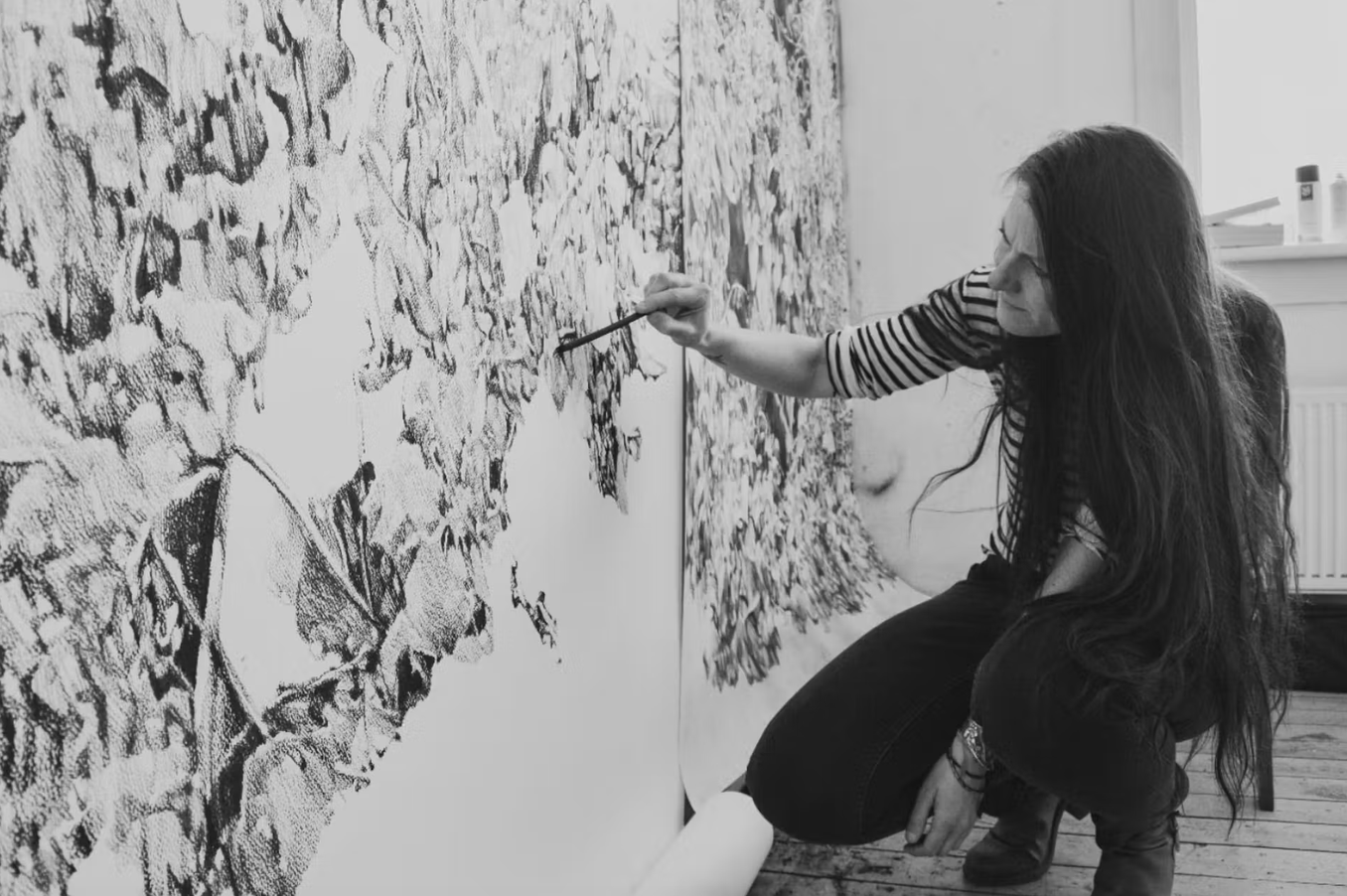
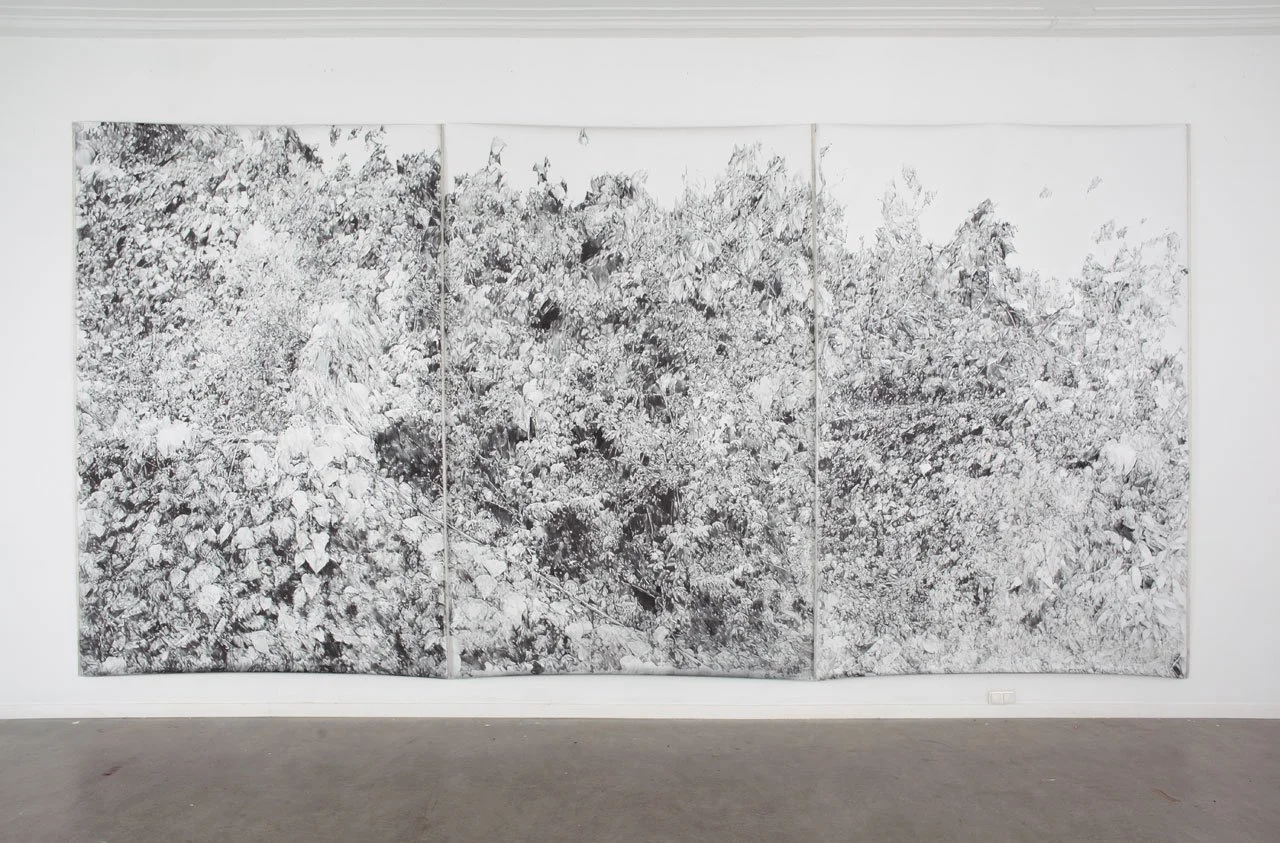
This autumn, raam art space will be transformed into a flourishing forest, featuring life-sized charcoal drawings by Anouk Griffioen. Last summer, Griffioen exhibited her monumental drawings at the Kröller-Müller Museum, surrounded by the forest. Now, she presents her work in raam’s glass exhibition space in the heart of the city. Alongside Griffioen’s solo exhibition, raam presents ‘er zijn te weinig boomhutten’ by Tessa Hendriks. Her treehouse adds another perspective to the exhibition’s exploration of nature in the city. Come and wander through raam, and let your thoughts get lost for a moment in Griffioen’s natural world. Step outside the art space and immediately find yourself back in the hustle and bustle of the city.
An important source of inspiration for the exhibition is a photograph of a tree-lined avenue taken by Anouk Griffioen’s father on the day she was born. After his death, Anouk inherited his collection of photo books, filled with nature photographs that he had carefully pasted into albums. She decided to use these photographs as the starting point for the exhibition.
Griffioen translates both memory and her observation of landscapes into virtuosic charcoal drawings, often monumental in scale, created on paper or canvas. Her work explores the conflict between humans and nature, and between the city and the landscape. The continuous expansion of cities puts pressure on their livability. By giving vegetation a place once again within the built environment, she appeals to our longing for nature. It is an invitation to leave the beaten path behind and arrive at new insights.
Anouk Griffioen (1979) exhibited at Vriend van Bavink in 2020. In autumn 2026, her work will be on view at Twickel Castle, Museum MORE. From 8 October through 7 December, she will also be working from STUDIO ARTIS, the public artists’ studio in the Groote Museum at ARTIS.
The weight of making
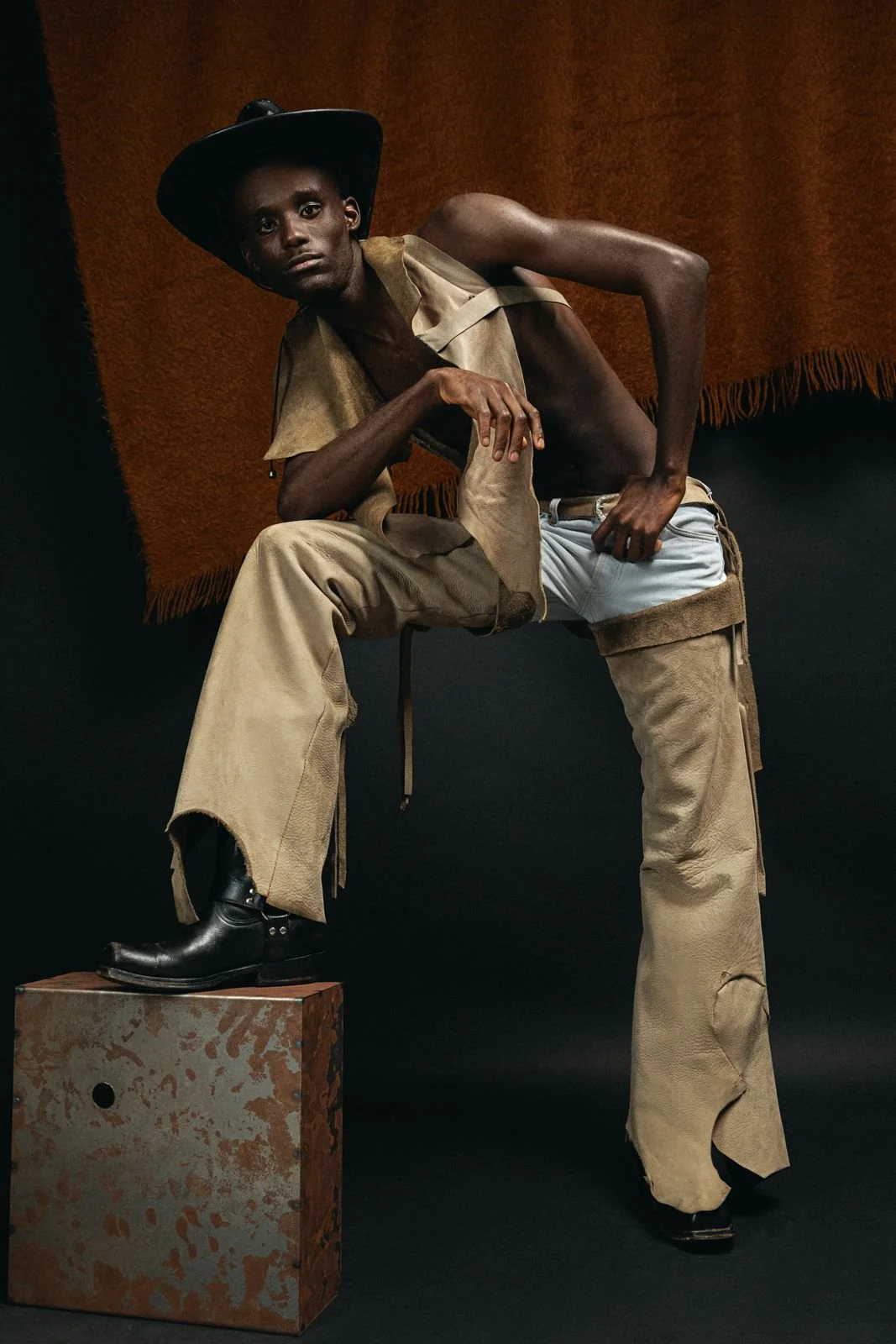
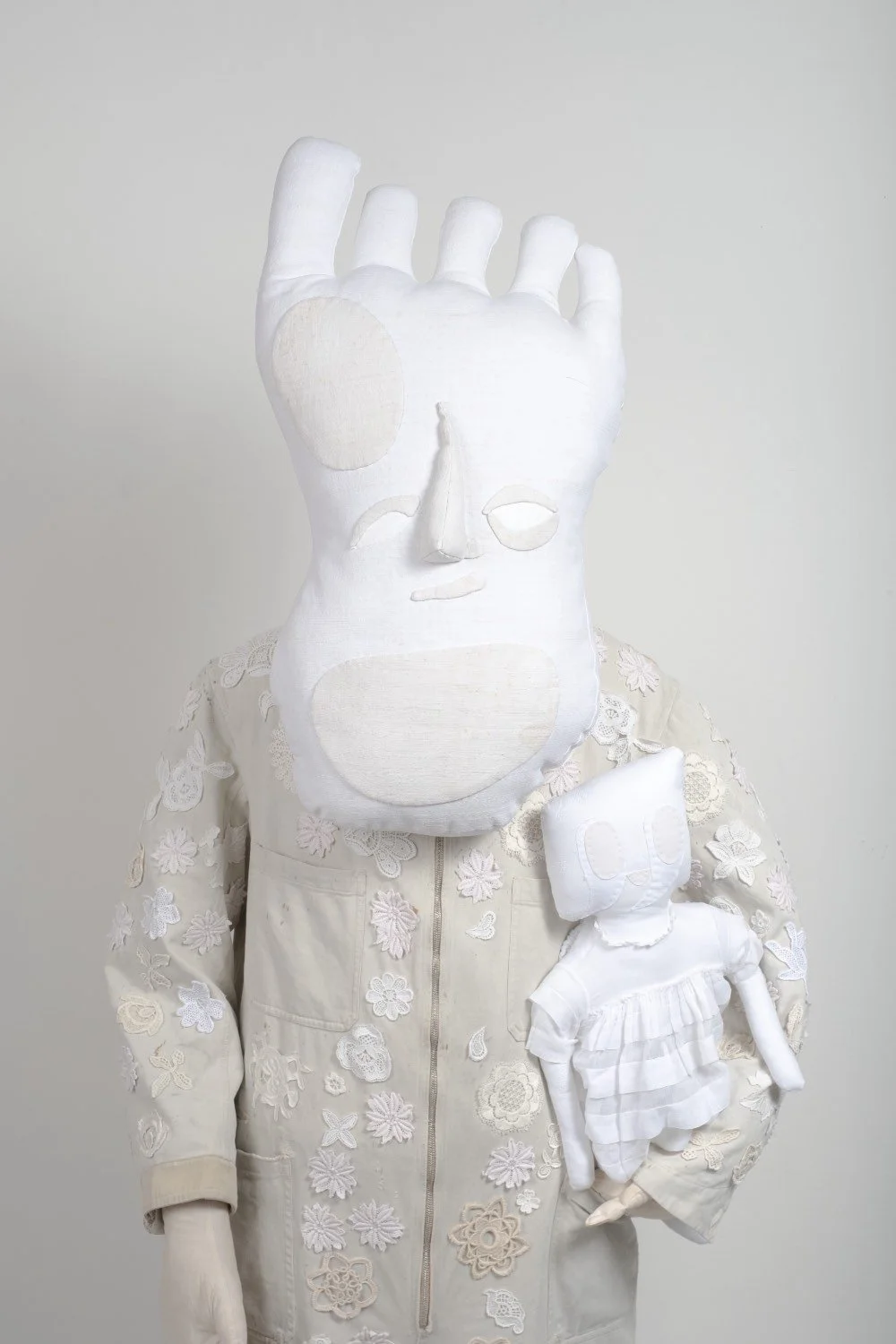
During Amsterdam Fashion Week , Jazmon Amon Voss and fellow artists will present the group exhibition 'The Weight of Making'. This exhibition opens with an perfromance on September 4 at Raam Art Space and showcases fashion, art, and installations by Jazmon Amon Voss, Arnetia Abbigail, Raquel van Haver, Alex Fischer, Steven Dalberg, Renzo Popolizio (Rozen) and Anna Gawęcka.
THE WEIGHT OF MAKING
Common Ground: Intersections of Form, Movement, and Community
In a single room, on a shared stage, this showcase transforms raam art space into a meeting point where distinct creative communities intersect.
While the artists gathered here hail from diverse disciplines spanning fashion architecture, heavy textiles, ceramics, spatial design, urban surface archives, and physical performance they are bound by a shared obsession with texture, weight, and the physical act of creation. Across every medium, the work issues an irresistible invitation: it provokes the viewer not merely to observe, but to lean in, to feel, and to touch the tactile life of the pieces.
At the heart of this gathering lies a central question posed to every maker: What is the weight of making for you, and why do you choose the materials you use? Their answers reveal that material choice is never accidental; it is a physical commitment, a carryover of memory, and an intentional surrender to labor.
At the center of this gathering is a standalone solo performance by Rozen / Renzo Popolizio (Movement Direction / Physical Theater). Carrying its own distinct narrative arc and physical intensity, Rozen's solo piece acts as a living catalyst within the space, intercepting, moving through, and reactivating the surrounding works in real time.
The evening also serves as a celebration of collective output, featuring the official book launch of Alex Fischer's Drainspotting.Art: Dis>COVER, honoring two decades of tactile urban documentation.
Fecund Ground - Collaboration with Tom of Finland Foundation for World Pride
Bas Kosters - part white group
By Marc Deurloo
New Kin - Raquel van Haver
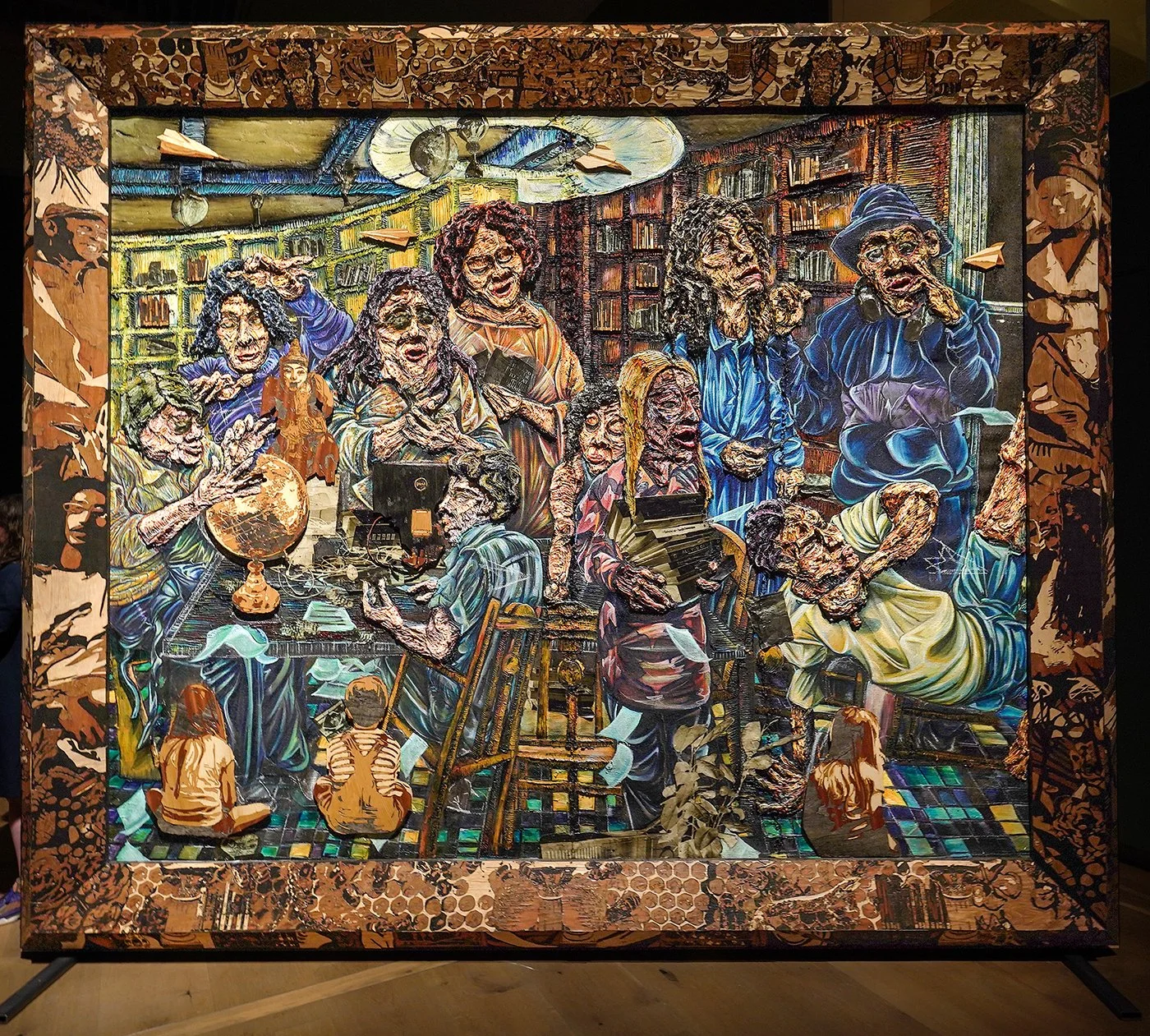
For centuries, Amsterdam’s civic guard portraits functioned as status symbols for the city’s elite. In her series 'The Collateral Kin', Raquel van Haver reclaims this monumental tradition, shifting its focus toward the artists, thinkers, and makers who shape Amsterdam today. Following its debut at the Amsterdam Museum as part of the city’s 750th anniversary, the exhibition arrives at raam art space Amsterdam, where three large-scale installations are set against a panoramic view of the city they reflect.
Van Haver’s practice operates as a form of social journalism. Drawing on more than 150 interviews with residents aged 18 to 80+, she translates lived experience into dense, tactile works composed of charcoal and gypsum. The portraits are framed in unique wood veneer, a material choice that references the domesticity of the home while offering a sharp critique of the colonial timber trade and the VOC. Developed in collaboration with the Amsterdam City Archives, the voices behind these works are preserved as part of an enduring civic record.
Alongside these towering installations, Van Haver presents twenty intimate, small-scale portraits of the individuals featured in the series. Winner of the Dutch Royal Prize for Painting and represented in major institutional collections, Van Haver positions this exhibition not only as a visual experience, but as a call to engage. She issues an invitation to listen, to witness, and to act. Join us for this profound tribute to the heroes of modern Amsterdam. At raam art space Amsterdam, Raquel van Haver reimagines Amsterdam’s historic civic portraits through the voices of the city’s contemporary changemakers. Through monumental installations and intimate works, Van Haver translates over 150 stories into powerful, tactile portraits, presenting a compelling tribute to the city’s present-day heroes and inviting us to listen, witness, and act. The solo exhibition at raam art space is an extension of the exhibitions at Amsterdam Museum and Kers Gallery last year.


Koos Buster presents: the Ministry of Ceramic Affairs II
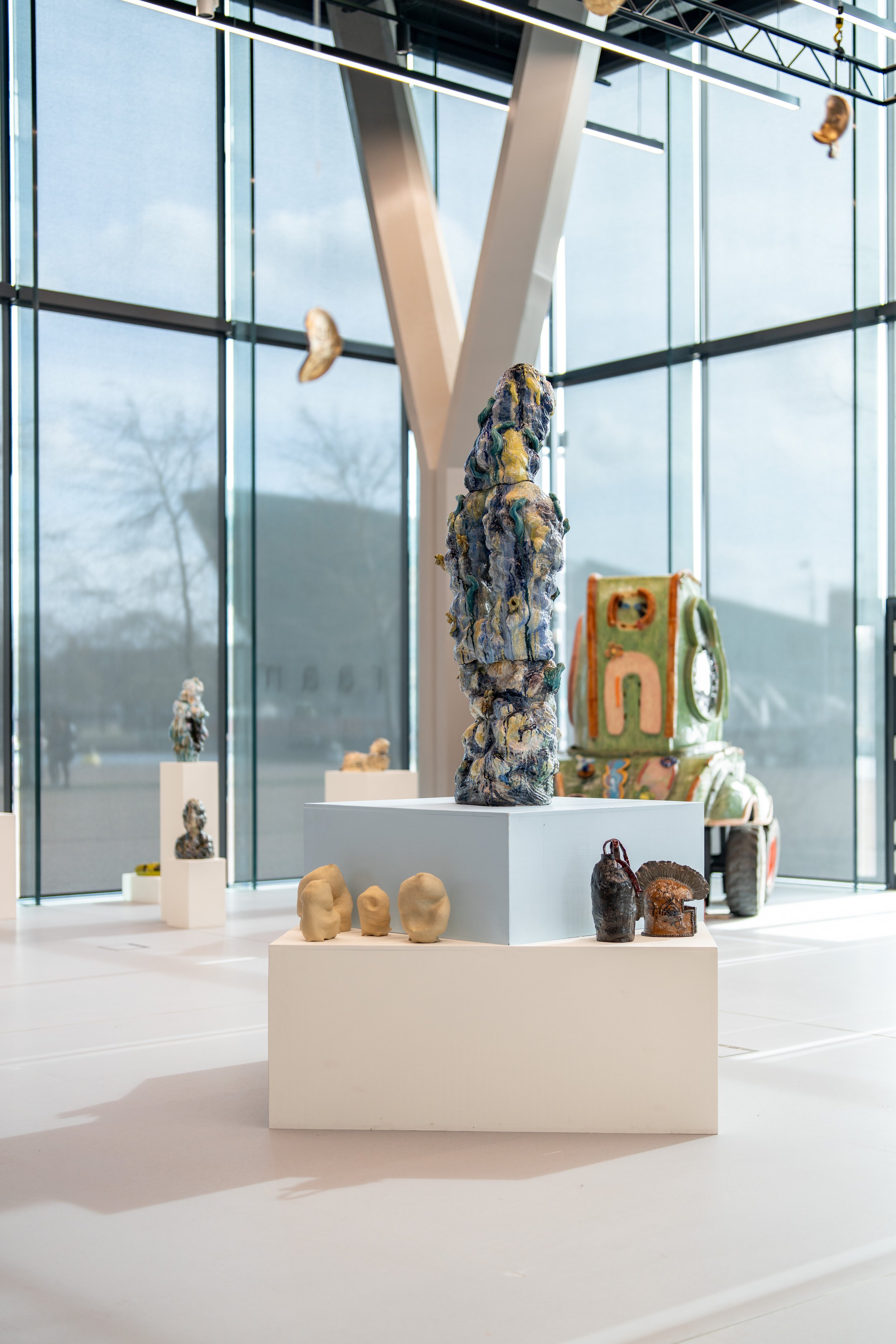
After an impressive first edition in 2022, the Minister of Ceramic Affairs Koos Buster presents 'The ministry of Ceramic Affairs 2'. He curates an exhibition in which a diverse selection of ceramic artworks will be presented. More information soon!
Post Pollution Panel talk
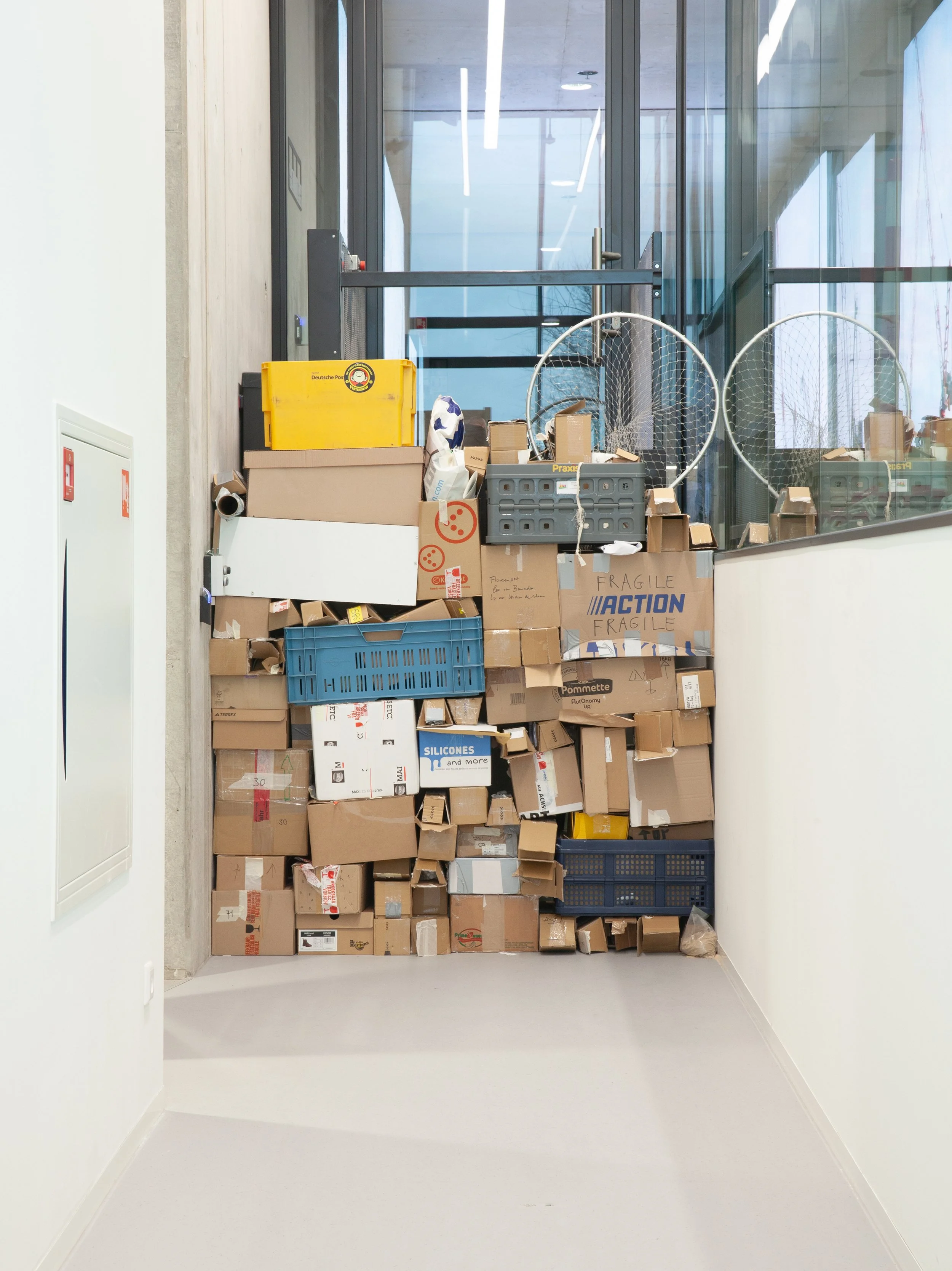
For the exhibition Post Pollution, Willem de Haan retrieved 99 plastic bottles from the Mediterranean Sea. Some were still intact, others weathered by the elements. These plastic bottles were sent to a selection of 99 international artists with the assignment to transform them into an art object. The artists were carefully selected by De Haan in collaboration with Galerie Vriend van Bavink.
All artworks are offered at the same price and without mentioning the name of the artist. Any unsold works will, with reluctance, be thrown back into the Mediterranean Sea.
In doing so, the potential buyer is placed under pressure, raising questions about collective responsibility. De Haan also offers companies and private individuals the opportunity to ease their conscience by fulfilling an ecological moral obligation.
On Friday, 13 February, raam art space and De Haan will engage in conversation with Jaqueline Cramer, former chair of the Plastic Soup Foundation, an organization that uses scientific research and political advocacy to combat plastic pollution at its source.
Can art be the key to structural systemic change?
The evening will take place at raam art space, the new exhibition space of Galerie Vriend van Bavink at raam art space, Oosterdokskade 161. With this panel discussion, we will close the first exhibition in this new gallery space and reflect on its distinctive contribution to Amsterdam’s art landscape.
RSVP here!
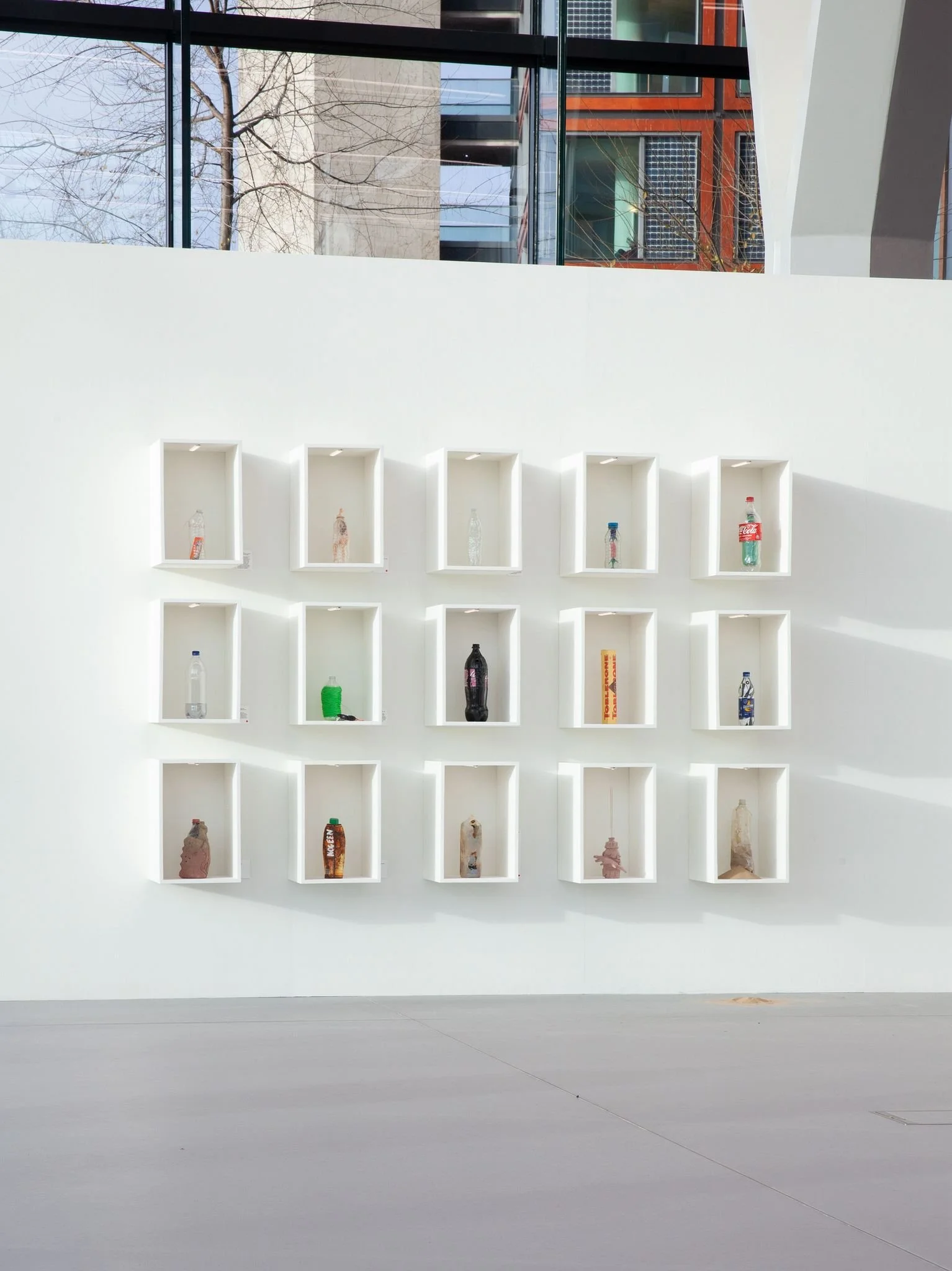
Willem de Haan - Post Pollution
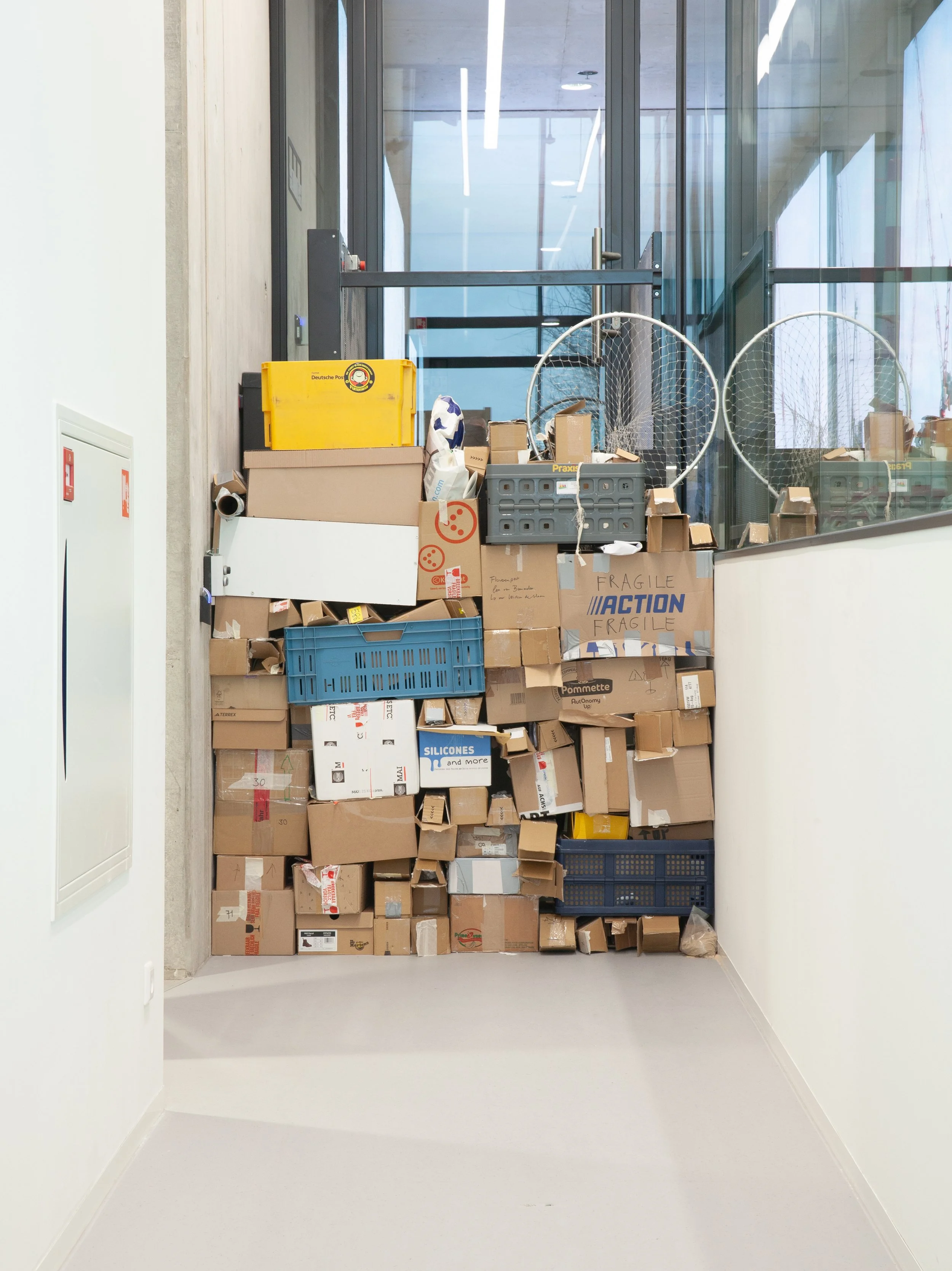
Willem de Haan traveled to the Mediterranean Sea to collect 99 plastic bottles from the water. These plastic bottles were distributed among a selection of 99 international artists. The exhibition Post Pollution presents these 99 artworks. If the works remain unsold at the end of the exhibition, they will reluctantly be thrown back into the Mediterranean Sea.